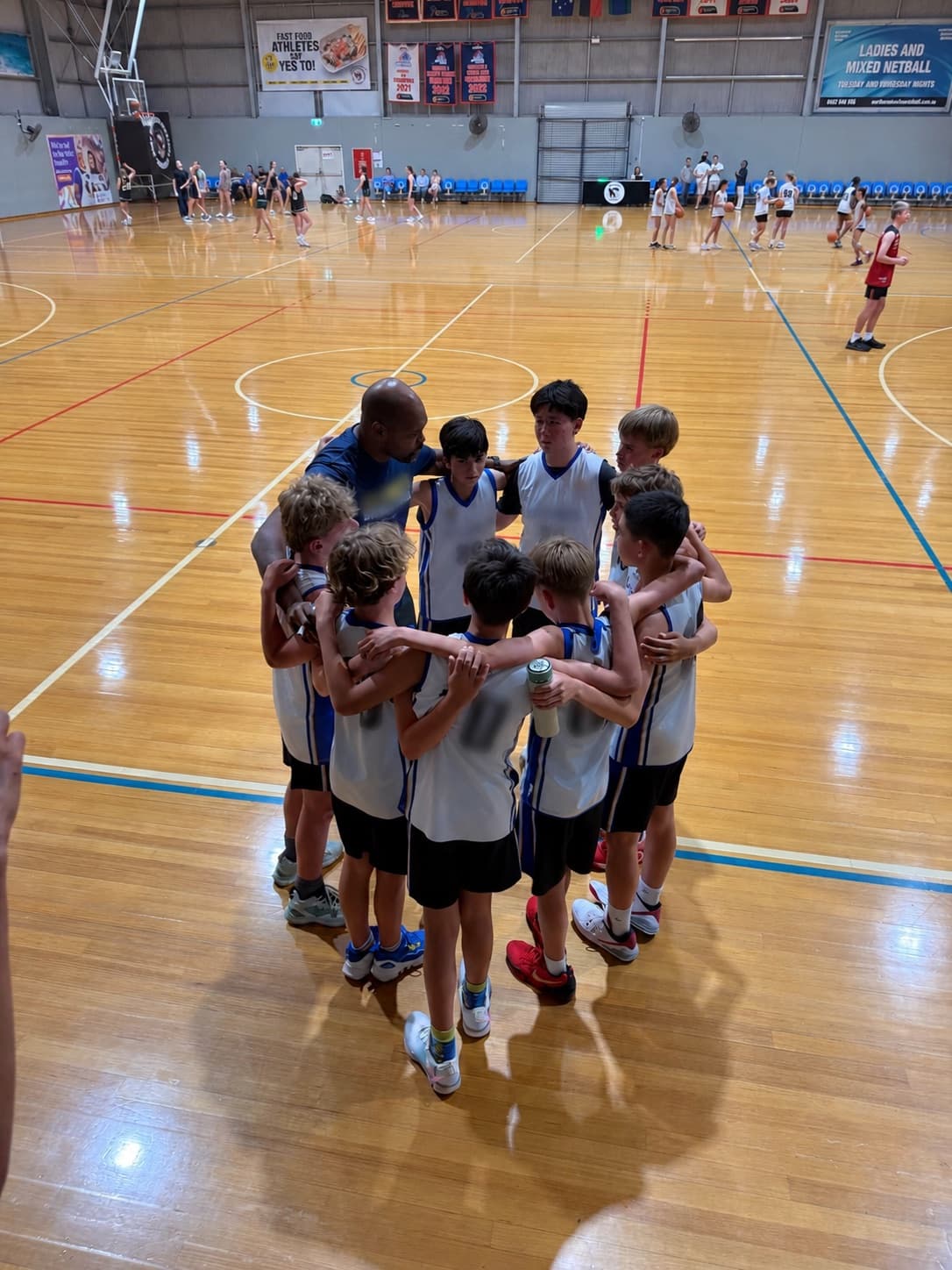
For parents
They want to keep playing.
You want to know they're doing the right things.
There's plenty of Osgood information online. What's missing is everything around it: what to do first, what comes next, how sport fits in and when to rest — in a form a 12-year-old will actually stick with. I Beat Osgood puts Ethan's eight-week approach in order, in one place, and helps them stay on track without you standing over them. It works best alongside advice from a health professional who knows your child.
The Parent Guide
Built in.
Not bolted on.
Plain-English guidance for parents, alongside your athlete's program. The program is based on Ethan's own experience and the physiotherapy guidance he received. It hasn't been independently reviewed — please check with your own health professional before starting.
- 01
Before you start
Have a GP, physio or sports doctor confirm the knee pain is Osgood-Schlatter and that the activities suit your child. Ideally, share the program with them. If the pain is severe, unusual or getting worse, see them again before continuing.
- 02
Green Zone, Red Zone
Your athlete rates their knee 0–10 at breakfast, then before and after their routine. 0–3 is the Green Zone. 4 or more is the Red Zone: no Workout that day, they tell you, and the Daily Routine is done gently — stopping anything that makes it worse.
- 03
Sport, Workouts and recovery days
Up to three Workouts a week, fitted around your child's training and games — not on full training or game days, and 48 hours after a Workout, full training session or game. Light training is fine and doesn't start the 48 hours. Recovery days are part of the plan, never “missed”.
- 04
Week 7 isn't a finish line
Ethan played his first full basketball game at the start of Week 7, and his first full cricket game later that week. For every other athlete, a return to full games should be decided individually with appropriate professional guidance.
For parents · In plain English
What is
Osgood-Schlatter?
Osgood-Schlatter is a common cause of knee pain in active, growing kids — especially athletes who run, jump and change direction a lot. It affects the spot just below the kneecap, where the tendon from the kneecap attaches to the top of the shin bone.
It tends to show up during growth spurts, which is why so many 10–15-year-old athletes deal with it.
Potential signs can include
- Pain or tenderness around the area just below the kneecap
- A noticeable bump below the knee
- Discomfort with running, jumping, kneeling or squatting
- Symptoms that become more noticeable around sport
A website can't diagnose knee pain. Have a GP, physio or sports doctor confirm the diagnosis before starting the program.
Learn about Osgood Ethan's kneeEthan's Osgood bump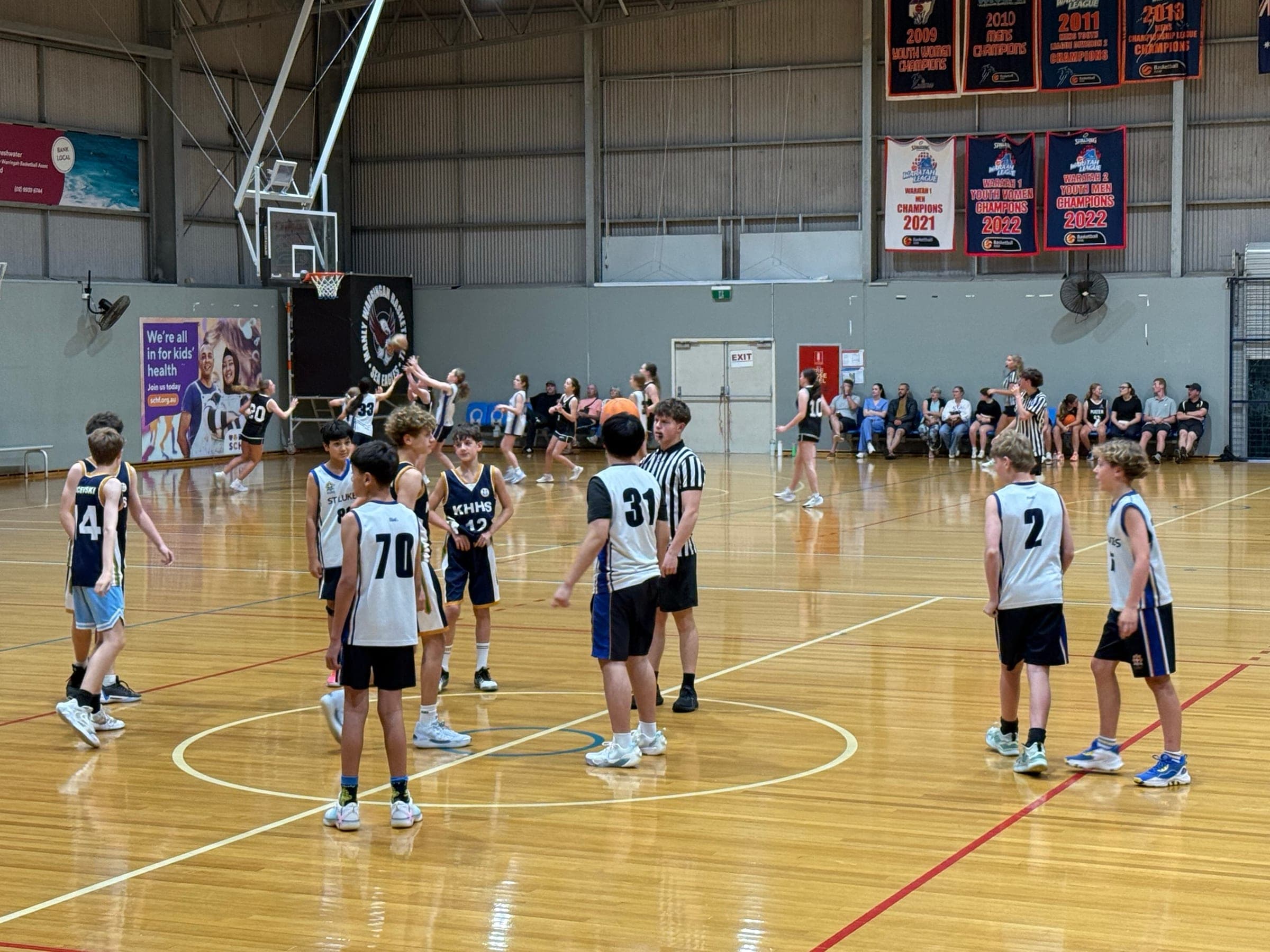
Start your journey
One program.
One price.
Back to sport.
Pay once. Keep access. No subscription, no upsells to unlock the next stage.
Not right for your athlete? Get your money back within 60 days — no reason needed.
Your journey might look different from Ethan's. But his story shows that progress is possible.
No program can promise a cure or a set recovery time — and we don't.
I Beat Osgood
Complete athlete program
A$99
One-time payment · No subscription
- ✓Ethan's original exercise videos
- ✓Eight-week program
- ✓Guided Daily Routines
- ✓Structured Workouts
- ✓Printable A4 guide & weekly tracker
- ✓Pain tracking
- ✓Sport tracking
- ✓Recovery scheduling
- ✓Progress dashboard
- ✓Parent information
- ✓Ongoing digital access
60-day money-back guarantee
Not happy? Get your money back within 60 days, less Stripe's card processing fee. Details
Equipment is purchased separately · Designed for athletes aged ~10–15
Questions,
answered.
Does my child need a diagnosis?
Yes. I Beat Osgood is designed for young athletes who have been diagnosed with Osgood-Schlatter, and it can't diagnose knee pain. Before starting, have a GP, physiotherapist or sports doctor confirm the diagnosis and advise whether the activities are suitable for your child. If symptoms are significant, unusual or getting worse, see them again before continuing.
My child has had Osgood-Schlatter for months. Is there still hope?
Yes. Osgood-Schlatter can be frustrating, particularly when symptoms persist for months or repeatedly interrupt sport. But having symptoms for a long time doesn't mean your child will never enjoy sport again.
Many young athletes improve over time, although recovery can vary considerably.
Ethan's story is one example of a young athlete who continued with modified activities, monitored his symptoms and gradually returned to playing basketball and cricket.
I Beat Osgood shares his experience, exercises and tracking approach to help families understand what he did. It isn't a promise of recovery within eight weeks, and persistent symptoms should be assessed by a qualified health professional.
Will my child be back playing games in eight weeks?
We can't promise that, and we won't. Ethan played a modified cricket match in Week 4, his first full basketball game at the start of Week 7 and his first full cricket game later that week, but that was Ethan's experience. Every athlete's recovery is different. Reaching Week 7 doesn't clear an athlete to play games — return-to-sport decisions need individual assessment and appropriate professional guidance.
Does my child have to stop playing sport?
Ethan didn't stop all activity. In Weeks 1–2 he kept his sport light and modified — dribbling, shooting and batting practice, no full games — and built up gradually from there. The program tracks sport alongside the routine, and separate Workouts are skipped on full training or game days. Every athlete is different, so talk to a health professional about what's right for your child.
What are the Green Zone and Red Zone?
Before and after each day, the athlete rates their knee from 0–10. 0–3 is the Green Zone. 4–10 is the Red Zone: skip that day's Workout and tell a parent or supervising adult. The Daily Routine can still be done gently, stopping any exercise that makes the knee worse — that's what Ethan did on his harder days. This reflects Ethan's pain-monitoring approach. A Green Zone score is not medical clearance to exercise or progress.
What if symptoms increase?
In the Red Zone (4 or more), skip the Workout and tell a parent, and stop any exercise that makes the knee worse. If pain is persistent, getting worse, unusual or worrying you, seek advice from a GP, physiotherapist or sports doctor. The app records how the knee feels, but it never makes medical decisions.
Can parents track progress?
Yes — on your athlete's device. Open Parent View from their Progress screen. It shows the current week and stage, routines and Workouts completed, sport sessions, knee checks and any Red Zone days. It shows what's been logged — it doesn't draw medical conclusions. Progress is saved on the device your athlete uses, so for now it won't show up on a different phone.
Can we use it on paper?
Yes. Inside the program there's a printable A4 guide with every exercise, the left-and-right photos and a weekly tracker for knee scores, sport and notes. Print it at home or save it as a PDF — open the Program tab and choose Printable guide. Ethan's videos stay in the app.
Is this medical treatment?
No. I Beat Osgood shares Ethan's experience with general exercise information. It doesn't diagnose, cure or treat Osgood-Schlatter, and it isn't a substitute for advice from a health professional.